
From the referral slip
back to the field.
Torn ligaments, stress fractures, post-surgical stiffness — the athletes who walk through our door walk back out. Hands taped, braces fitted, movement restored.


1,200+ athletes recovered
94% return to prior activity level
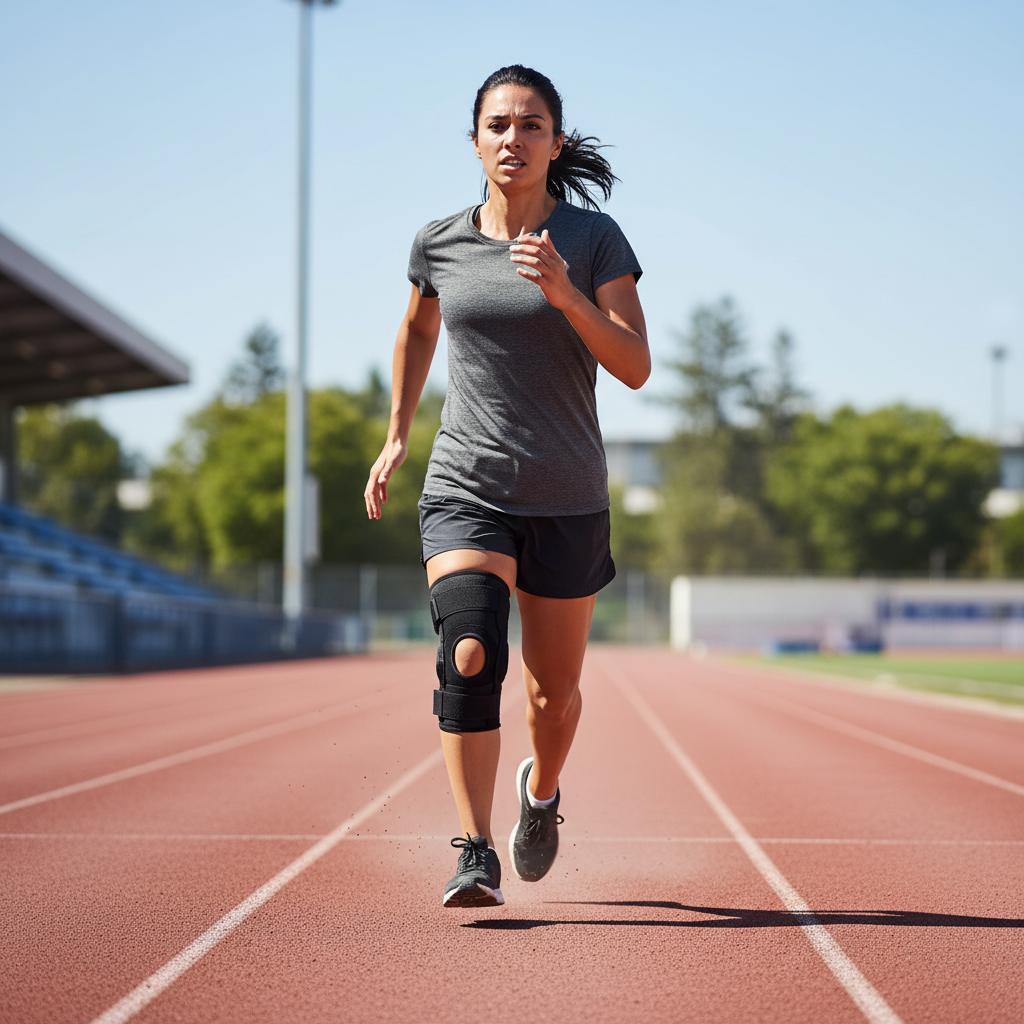
"They told me I'd never cut left again. I scored two goals last Saturday."
Marcus T., 28
Recreational soccer — ACL reconstruction
Every morning I roll out of bed and that first step is a 7 out of 10. I've been icing my heel for four months. My orthopedist said "rest it." I've rested it. It's still there.
89%
of chronic pain patients return to full activity
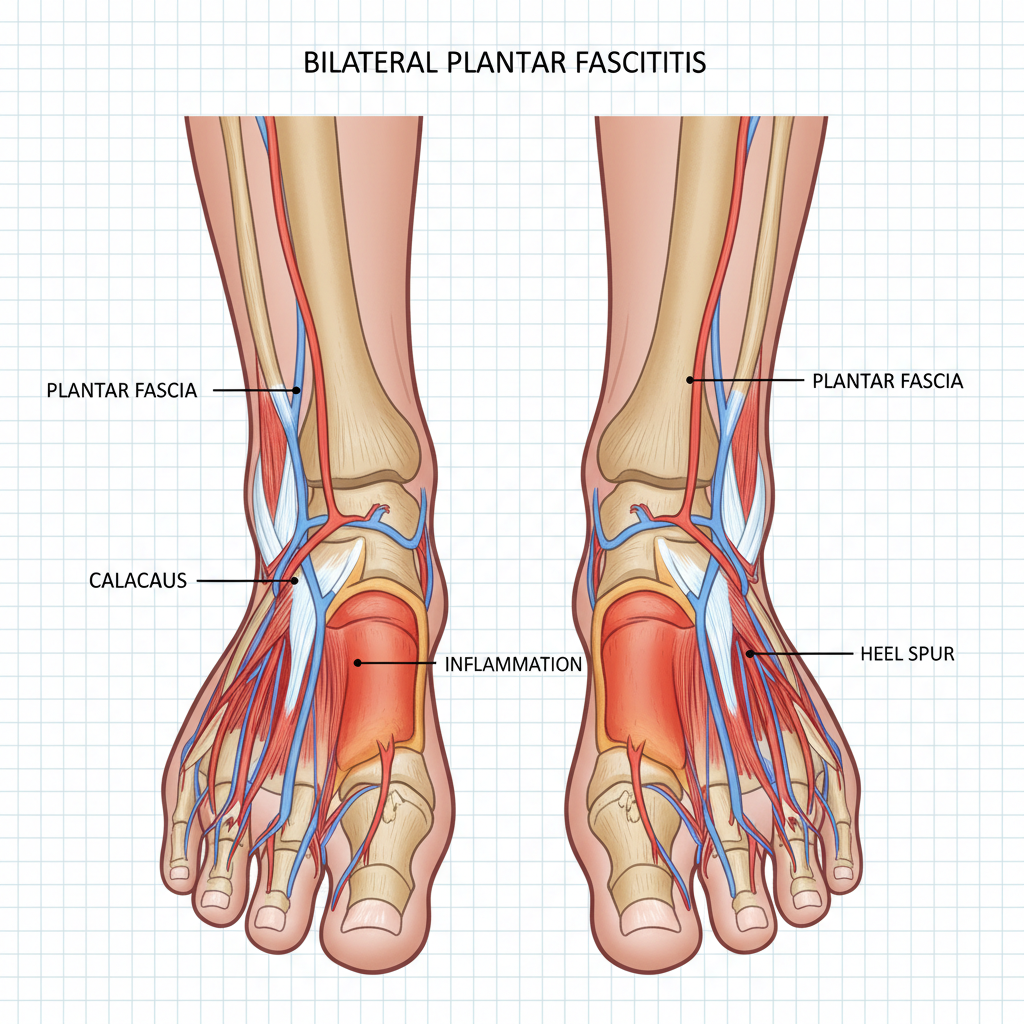
"I had tried three other PTs. Recover was the first place that looked at why my foot hurt, not just where."
Priya Nair, 41
Plantar fasciitis, IT band syndrome, rotator cuff tendinopathy — chronic pain has a clinical cause. And a clinical fix.
We don't treat symptoms in isolation. Our chronic pain intake includes a full biomechanical load assessment to find the upstream cause — the hip weakness driving your knee, the ankle stiffness loading your Achilles. Then we fix the chain.
Dry Needling + Instrument-Assisted Soft Tissue Mobilization
Breaks down scar tissue adhesions and resets overactive trigger points in 20-minute targeted sessions.
Blood Flow Restriction (BFR) Training
Builds load tolerance in compromised tissue at 20% of normal resistance — safe, proven, and fast.
Gait & Movement Retraining
Video analysis of your run, cut, or swing pattern identifies the mechanical fault driving your pain.
Dr. Elena Vasquez, DPT, OCS
Board-Certified Orthopedic Clinical Specialist · 9 years sports rehab
My surgeon handed me a referral and said "six weeks of PT." I have no idea what that means. I don't know what I'm supposed to be able to do by week two, or week four. I just know my knee doesn't bend past 90 degrees and I'm terrified of reinjuring it.
14 wks
average weeks to return-to-sport clearance (ACL)
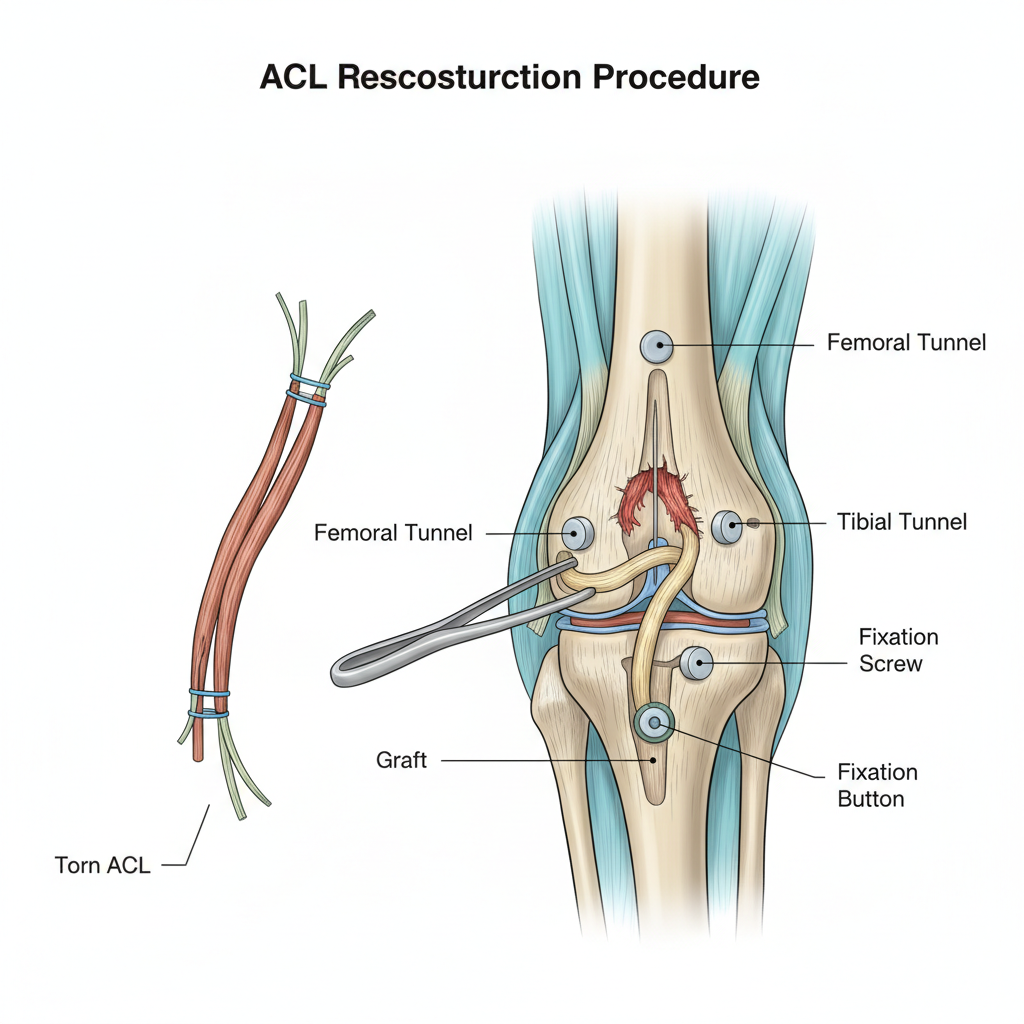
"Coach said I was moving better than before the surgery. That was week 14. I didn't believe it until it happened."
Tyler Brooks, 17
Post-surgical rehab is not passive. Week one has specific goals. So does week six.
We work directly with your surgical team to receive operative notes before your first session. Every protocol is phase-gated — you don't move to the next phase until you hit the measurable criteria for the current one. No guessing, no rushing.
Phase-Gated ACL / Meniscus / Rotator Cuff Protocols
Criteria-based progression: quad index ≥90%, limb symmetry index ≥85% before return-to-run clearance.
Neuromuscular Electrical Stimulation (NMES)
Reactivates inhibited post-surgical musculature in the first two weeks when voluntary contraction is limited.
Manual Joint Mobilization
Restores end-range flexion and extension lost to post-surgical capsular tightening.
Dr. James Okafor, DPT, SCS
Sports Clinical Specialist · USAW Certified · 12 years surgical rehab
My pain is gone. I've been cleared by my surgeon. But every time I try to cut hard or land from a jump, I hesitate. I don't trust it. And I can't play like that.
3.2%
reinjury rate within 12 months of Recover RTS clearance
"The hop tests were the turning point for me. Seeing the numbers equal out gave me permission to push again."
Diane Kowalski, 34
Clearance from surgery is not return to sport. The psychological and neuromuscular gap between the two is where most reinjuries happen.
Our Return-to-Sport program uses functional movement screening, force plate analysis, and sport-specific agility testing to objectively measure readiness — not just pain tolerance. You don't go back until the data says you're ready.
Force Plate Limb Symmetry Testing
Single-leg hop, triple hop, and reactive strength index measured bilaterally. Clearance requires ≥90% symmetry.
Sport-Specific Movement Progression
Cutting, deceleration, and sport-specific agility drills reintroduced in controlled, load-progressive sequences.
Psychological Readiness Screening (ACL-RSI)
Validated 12-item scale measuring fear of reinjury, confidence, and risk appraisal before sport return.
Dr. Sofia Reinholt, DPT, CSCS
Certified Strength & Conditioning Specialist · NCAA Division I rehab experience
I've been hurt twice in three years. Same leg, different injuries. My trainer says I need to "strengthen my core." My coach says I need to "work on mechanics." Nobody has actually looked at why I keep breaking down.
61%
reduction in soft-tissue injuries after Recover prehab program
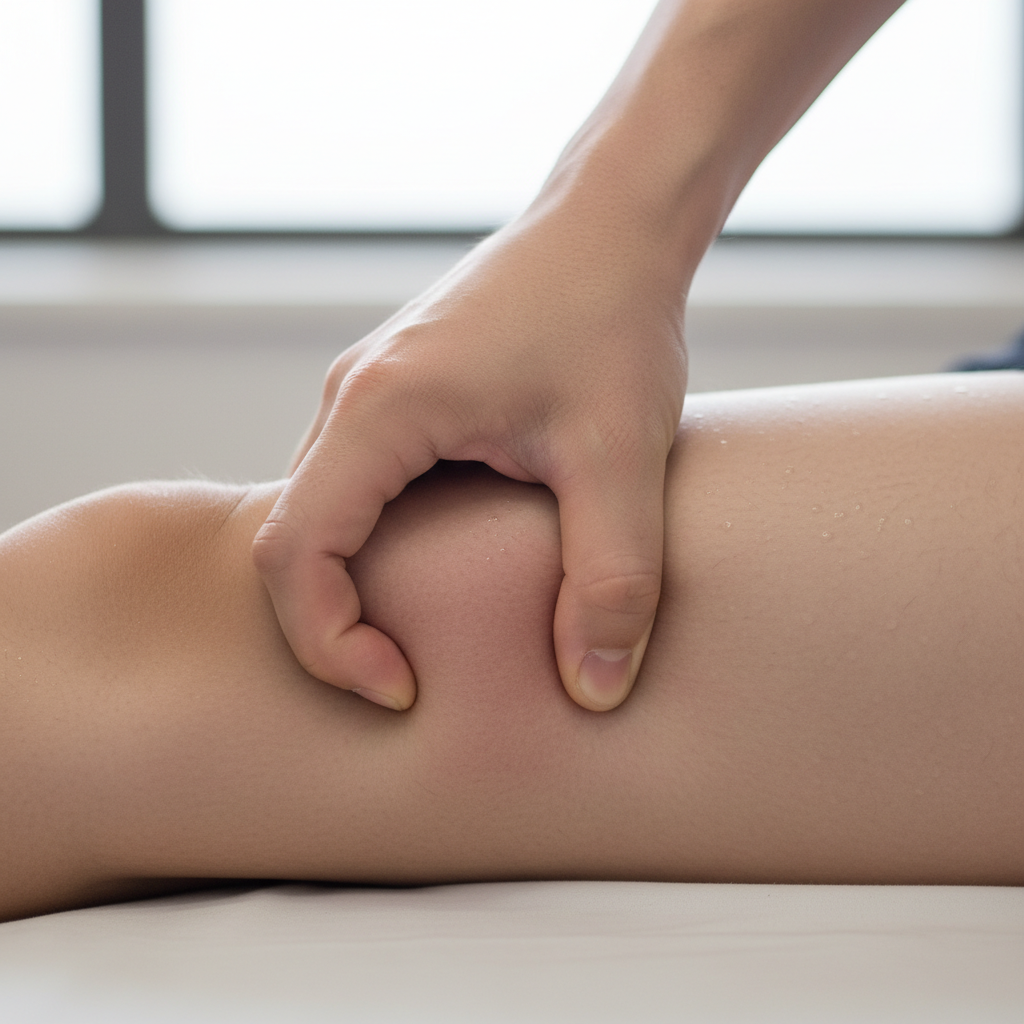
"First full season without pulling something. The screen found a hip thing I didn't even know I had."
Cody Hernandez, 16
Screening finds the weak link before it becomes a torn one.
The Recover Movement Screen takes 60 minutes: functional movement screen, single-leg squat assessment, hip-to-ankle mobility mapping, and sport-specific load tolerance testing. You leave with a written prehab program and a clear picture of your injury risk profile.
Functional Movement Screen (FMS) + Y-Balance Test
Identifies asymmetries and mobility deficits predictive of lower-extremity injury in athletes.
Individualized Prehab Programming
8-week written program targeting your specific deficits — not a generic "hip strengthening" handout.
Quarterly Re-Screen
Athletes in-season re-screen every 8 weeks. Off-season athletes screen before preseason training ramp.
Dr. Marcus Webb, DPT, FAPTA
Fellow of the American Physical Therapy Association · 15 years team sports coverage
We work with most major insurance plans.
Blue Cross Blue Shield, Aetna, Cigna, United Healthcare, Humana, and Medicare Advantage. Not sure if you're covered? Call us before your assessment — we'll verify benefits in 10 minutes.
Five injuries. Five people
who came out the other side.
Your story is next. Book a 45-minute assessment with a Recover specialist — we'll map your injury, outline your protocol, and give you a realistic return-to-play timeline. No vague prognosis. No wasted sessions.
Most assessments covered by insurance · Same-week appointments available